


Patients leaving hospital sometimes need opioids. Doctors can reduce risks of long-term use and dependence


This article was originally published in The Conversation.
New national standards aim to change doctors’ prescribing habits when patients with pain are discharged. NDARC’s Ria Hopkins, PhD candidate, and Natasa Gisev, Clinical Pharmacist and Scientia Senior Lecturer wrote recently in The Conversation.
Latest News & Events
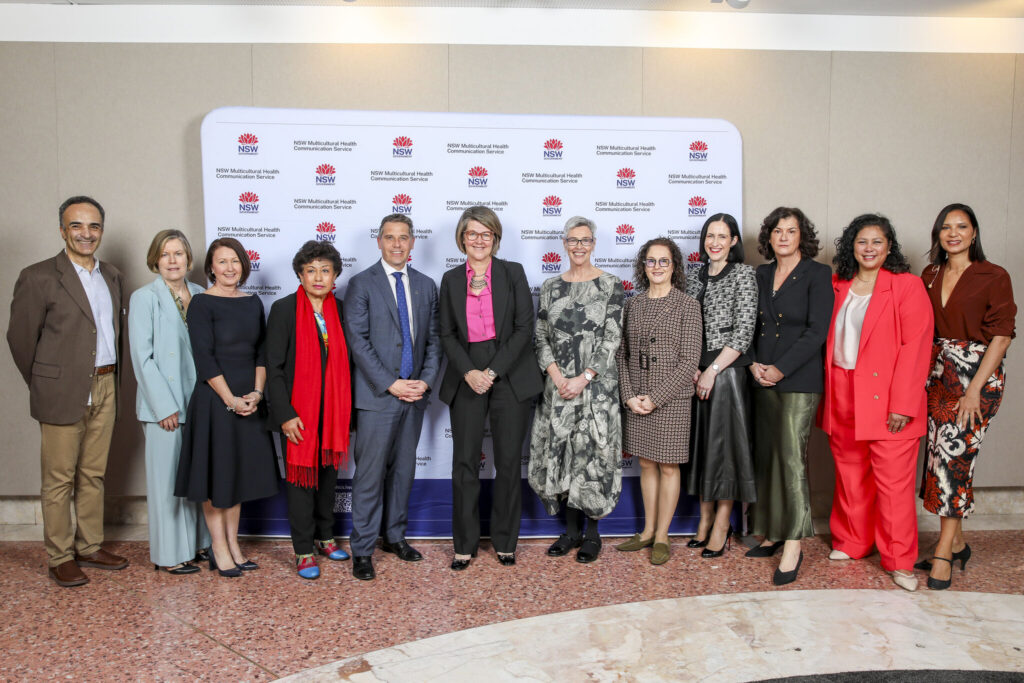
Championing movement for mental wellbeing during Multicultural Health Week 2026
April 27, 2023Mindgardens proudly collaborated with NSW Health to highlight the essential link between a healthy body and a healthy mind as a central focus of our ongoing partnership .


Cannabis linked to earlier onset of psychosis
April 27, 2023People who use cannabis are developing psychosis years earlier than non-users, new research shows, prompting calls for greater health warnings about one of the nation’s most widely used substances. Cannabis users develop psychosis an average of two-and-a-half years earlier than non-users, a new meta-analysis from UNSW Sydney researchers shows.
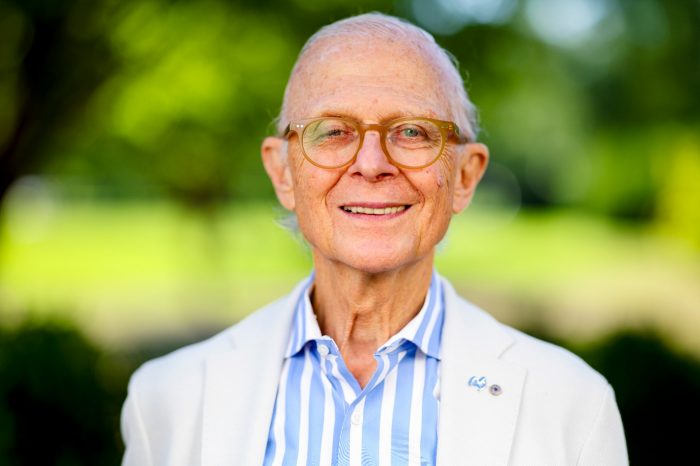
UNSW brain health pioneer joins national dementia awareness campaign
April 27, 2023Australians turning 50 are being encouraged to take simple steps to protect their brain health as part of a new federal government dementia awareness campaign informed by leading experts, including UNSW Sydney Scientia Professor Henry Brodaty. Around 340,000 Australians will receive a letter outlining practical ways they can reduce their risk of developing dementia and stay healthy for longer.
Mindgardens Neuroscience Network acknowledges the Traditional Owners of Country throughout Australia and recognises their continuing connection to land, waters and community. We pay our respect to them and their cultures, and to Elders past, present and emerging.
We acknowledge the voices of people with lived experience, their carers, families and kinship groups. We recognise the expertise acquired through living with a mental health, drug and alcohol or neurological disorder and acknowledge those who care for people on their recovery journey. We place lived experience at the heart of all that we do.

Powered by the strengths of our Member organisations