





UNSW and Mindgardens receive $5m to accelerate psychosis research and care
October 1, 2026Serpentine Foundation commits $5 million over five years to the Mindgardens Psychosis Centre to advance research and care for people experiencing psychosis.


Cannabis linked to earlier onset of psychosis
August 19, 2026People who use cannabis are developing psychosis years earlier than non-users, new research shows, prompting calls for greater health warnings about one of the nation’s most widely used substances. Cannabis users develop psychosis an average of two-and-a-half years earlier than non-users, a new meta-analysis from UNSW Sydney researchers shows.

UNSW brain health pioneer joins national dementia awareness campaign
August 17, 2026Australians turning 50 are being encouraged to take simple steps to protect their brain health as part of a new federal government dementia awareness campaign informed by leading experts, including UNSW Sydney Scientia Professor Henry Brodaty. Around 340,000 Australians will receive a letter outlining practical ways they can reduce their risk of developing dementia and stay healthy for longer.

Improving prevention, treatment and recovery of delirium
August 11, 2026Delirium is a sudden change in thinking, attention and awareness that commonly occurs during illness or after surgery. It can be thought of as "acute brain failure", where the brain temporarily stops working normally. A geriatrician at Prince of Wales Hospital and a Conjoint Lecturer at UNSW sees a missed opportunity to better support recovery and improve long-term outcomes.

Soft optical sensor offers new way to map the heart and brain
August 3, 2026For people living with cardiac or neurological conditions, monitoring organ activity is an important part of diagnosis and treatment. But existing technology relies heavily on electrically based systems that often require a network of electrodes to be attached directly to the organ site.

Mental illness is up in young people, dementia is now the biggest killer: Australia’s health in 2026
July 9, 2026Dementia is now the leading cause of death, overtaking heart disease. The Conversation's experts explain how Australians' health has changed - both good and bad.

What is mild cognitive impairment? And does it always lead to dementia?
July 3, 2026Mild cognitive decline doesn’t necessarily mean you’ll develop dementia. But it’s a common fear. Becoming more forgetful and feeling slower in your thinking is normal in older age. But when these changes are more than you’d expect for your age it might be a sign of mild cognitive impairment.

UNSW researchers target invisible heart disease in women
June 2, 2026Researchers hope to deliver a female-specific treatment approach for a condition that has been overlooked for generations.

To improve children’s mental health, start by supporting their parents
May 19, 2026Long-term data shows children are more likely to develop mental health issues when their parents experience financial stress and housing instability. So what can actually help?

First signs of recovery emerge in Australia’s youth mental health crisis
May 18, 2026A new analysis of 24 years of Australian data found a long-term trend of deteriorating mental health among adolescents and young adults had the steepest decline between 2019 and 2021 – and is only now showing a clear rebound.

How does Medicare’s new Mental Health Check In work? Is this low-intensity CBT likely to help?
April 10, 2026The idea is to catch mental health problems early, before they get worse. Here’s how it works – and the outcomes of those who’ve tried similar programs.

This common antidepressant helps people cut back on methamphetamine – new study
April 2, 2026Methamphetamine – more commonly known as meth, crystal or ice – is a highly addictive, stimulant drug. Now, a cheap, safe and readily available medicine that has been used to treat depression for years is showing promise.
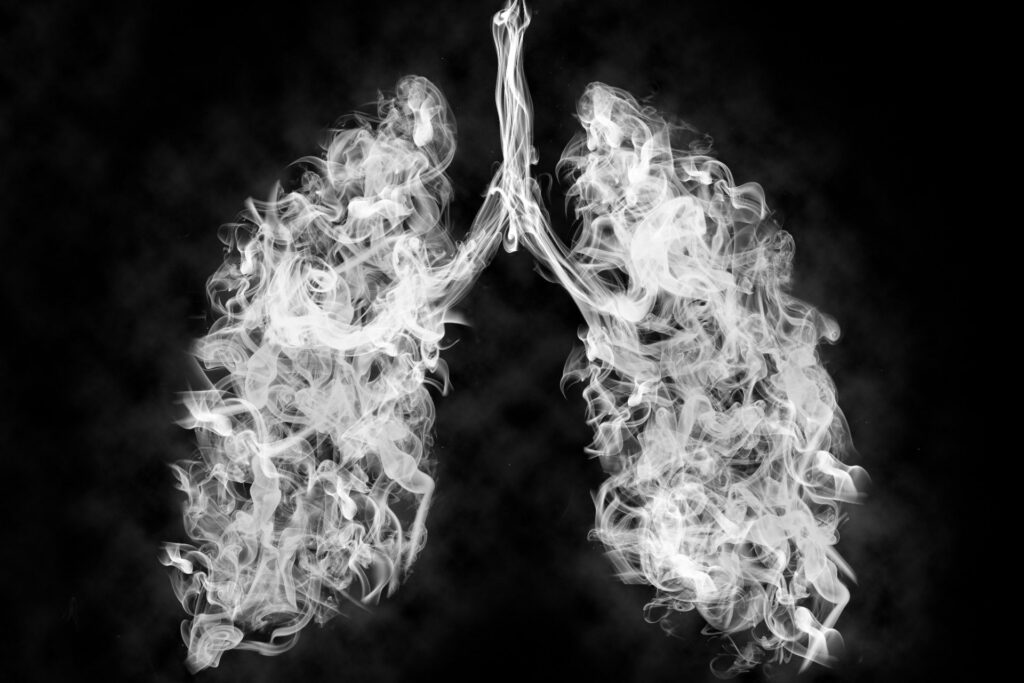
Vaping likely to cause cancer: new findings
March 31, 2026A comprehensive review led by cancer researchers at UNSW found vaping is likely to cause lung and oral cancer – even before long-term studies can confirm the exact risk. Nicotine-based vapes, or e-cigarettes, are likely to cause cancers of the lung and oral cavity, say the authors of a new study, led by UNSW Sydney and published today in Carcinogenesis.

Bright ideas: UNSW secures $20m in health and medical research grants
February 2, 2026UNSW Sydney academics have been awarded more than $20 million in the latest round of National Health and Medical Research (NHMRC) Ideas and Development Grants funding. The funding will support 12 projects in science, engineering and medicine.

Boosting trust in “real-world” studies of health and medical interventions
September 4, 2025Using real-world data from electronic medical records and registries, the TARGET Guideline was developed in a global initiative by researchers from Neuroscience Research Australia (NeuRA) and UNSW Sydney to improve how studies that use observational data are reported across all fields of medicine and health research.

$4.7 million for UNSW researchers to investigate long COVID
January 22, 2026The newly funded projects will support the development of tools and therapies to enhance support for people living with long COVID.

Clues to Alzheimer’s disease may be hiding in our ‘junk’DNA
December 19, 2025UNSW scientists have uncovered the hidden switches in DNA, revealing new insights into Alzheimer’s disease.

NSW Premier opens UNSW’s world-leading Health Translation Hub
November 25, 2025The first-of-its-kind facility built by UNSW Sydney and Plenary will revolutionise patient care, research, education and health innovation.

Dementia care pioneer named NSW Senior Australian of the Year
November 11, 2025UNSW Sydney Scientia Professor and Co-Director of the Centre for Healthy Brain Ageing, Henry Brodaty AO, was honoured for his contributions to the diagnosis, treatment and prevention of the disease.

Brainwave study sheds light on cause of ‘hearing voices’
October 22, 2025A study of the way people process inner and outer speech is the first tangible evidence of a key theory about schizophrenia’s drivers.
Mindgardens Neuroscience Network acknowledges the Traditional Owners of Country throughout Australia and recognises their continuing connection to land, waters and community. We pay our respect to them and their cultures, and to Elders past, present and emerging.
We acknowledge the voices of people with lived experience, their carers, families and kinship groups. We recognise the expertise acquired through living with a mental health, drug and alcohol or neurological disorder and acknowledge those who care for people on their recovery journey. We place lived experience at the heart of all that we do.

Powered by the strengths of our Member organisations