


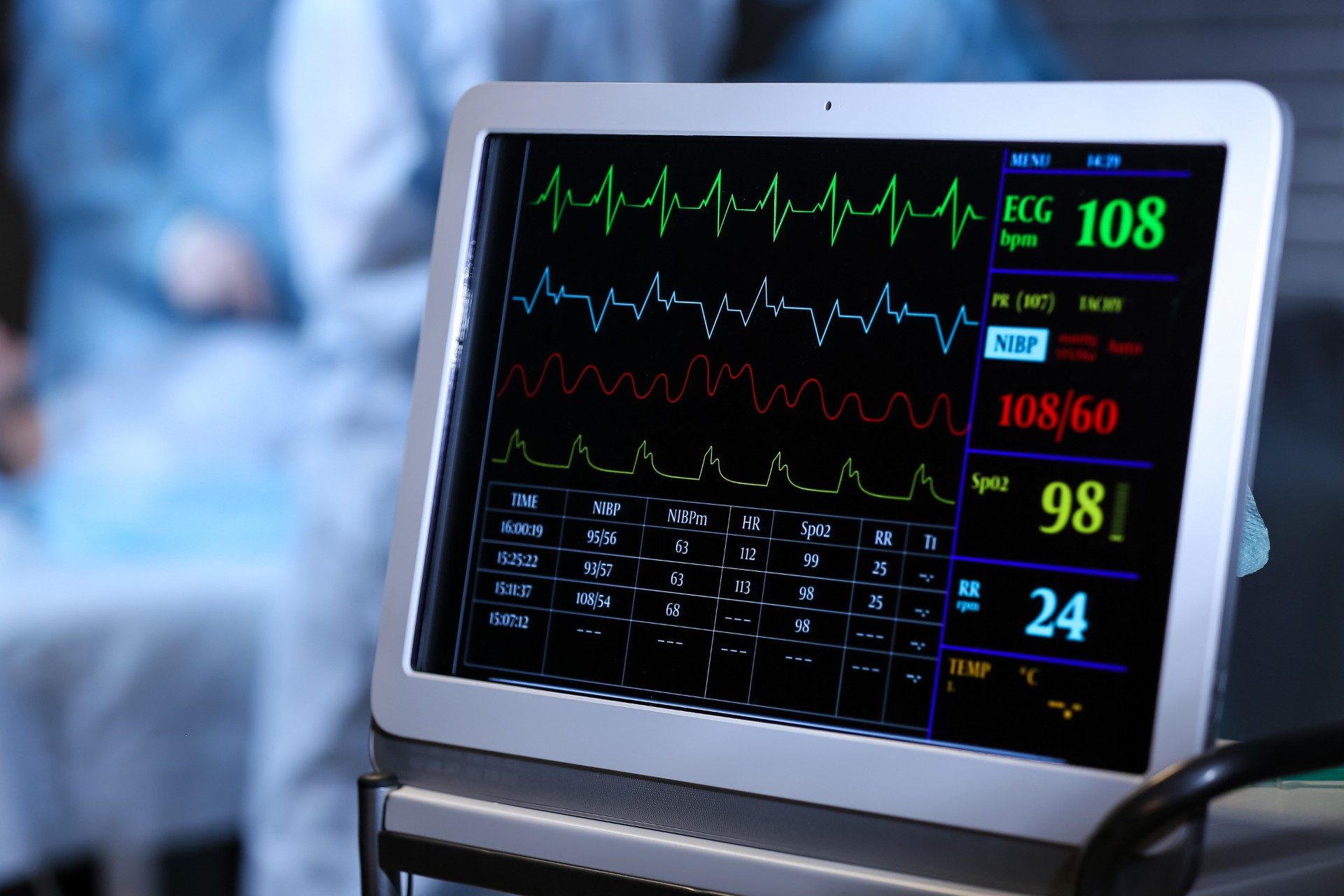
A team of biomedical engineers have developed a fully flexible light sensor that precisely detects changes in the body’s electrical signals.
For people living with cardiac or neurological conditions, monitoring organ activity is an important part of diagnosis and treatment. But existing technology relies heavily on electrically based systems that often require a network of electrodes to be attached directly to the organ site.
Now, a team of UNSW engineers from UNSW School of Biomedical Engineering have developed a fully flexible ‘optrode’ – an optical sensor that converts the body’s electrical signals directly into light signals. Designed to mimic the softness of human tissue, the device demonstrated a 98.4% viability rate, paving the way for safer and less invasive long-term monitoring technologies.
Latest News & Events
UNSW and Mindgardens receive $5m to accelerate psychosis research and care
August 19, 2026Serpentine Foundation commits $5 million over five years to the Mindgardens Psychosis Centre to advance research and care for people experiencing psychosis.

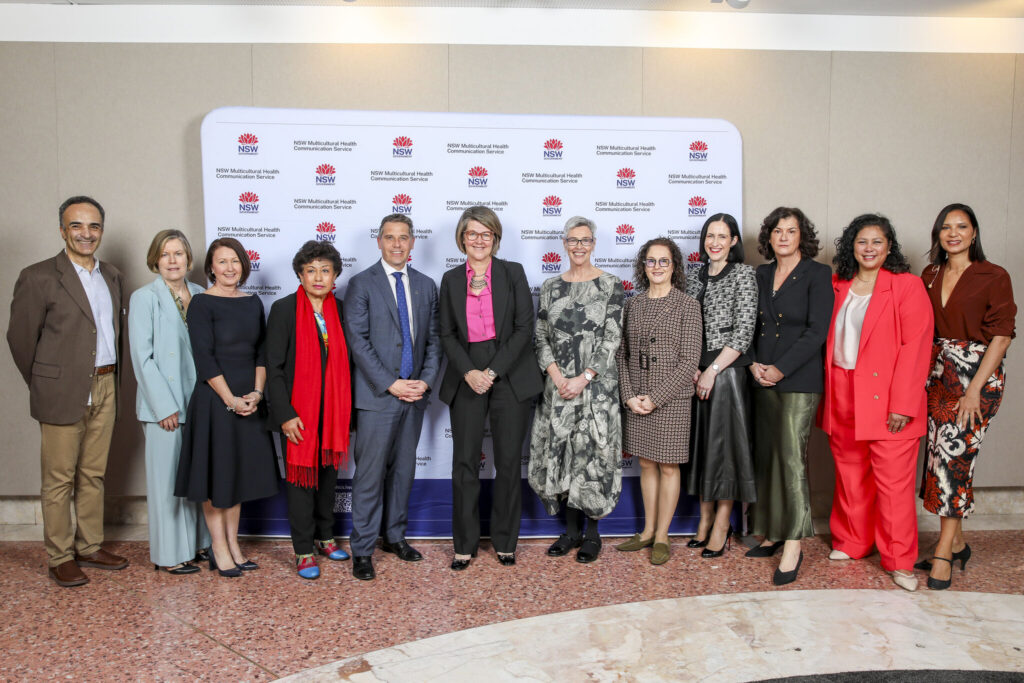
Championing movement for mental wellbeing during Multicultural Health Week 2026
August 19, 2026Mindgardens proudly collaborated with NSW Health to highlight the essential link between a healthy body and a healthy mind as a central focus of our ongoing partnership .

Cannabis linked to earlier onset of psychosis
August 19, 2026People who use cannabis are developing psychosis years earlier than non-users, new research shows, prompting calls for greater health warnings about one of the nation’s most widely used substances. Cannabis users develop psychosis an average of two-and-a-half years earlier than non-users, a new meta-analysis from UNSW Sydney researchers shows.
Mindgardens Neuroscience Network acknowledges the Traditional Owners of Country throughout Australia and recognises their continuing connection to land, waters and community. We pay our respect to them and their cultures, and to Elders past, present and emerging.
We acknowledge the voices of people with lived experience, their carers, families and kinship groups. We recognise the expertise acquired through living with a mental health, drug and alcohol or neurological disorder and acknowledge those who care for people on their recovery journey. We place lived experience at the heart of all that we do.

Powered by the strengths of our Member organisations