




Mindgardens Neuroscience Network welcomes Associate Professor Brooke Short as Clinical Director of the Mindgardens Tertiary Referral Service for Psychosis (TRSP) as she outlines her ambitions for the state-wide service.
Mindgardens Executive Director, Professor Jackie Curtis, praised Associate Professor Short’s appointment. “Brooke’s extensive experience with both in-patient and community-based approaches will help ensure the TRSP caters to diverse needs and provides a holistic model of care,” she said. “I am delighted at Brooke’s appointment and look forward to working closely with her to build the service.”
Associate Professor Short explained her strategy for growth. “TRSP is entering a new phase of development that focuses on refining its model of care to enhance efficiency, improve patient outcomes, and expand the service’s reach,” she said. “This includes redesigning workflows to increase capacity and manage a higher volume of complex referrals without compromising quality.”
The new TRSP model will feature six streams of assessment, each tailored to the specific needs of the individual and the referrer. This may include multi-disciplinary assessment by the whole TRSP team or individual components, such as medical or neuropsychologist assessment only, second opinion reviews or psychosocial assessment.
This flexible model ensures that assessments are adapted to address the unique needs of rural, regional and metropolitan referrals. The appropriate stream will be selected through detailed discussions between the TRSP and referring teams.
The referrals process will also be digitised, helping the TRSP team to optimise resource use while managing increased numbers of consumers supported through the service. The changes will also improve data collection, and service monitoring and evaluation.
“The original Commonwealth-funded TRSP pilot, led by Associate Professor Julia Lappin, addressed a major gap in care for people with treatment-resistant, complex psychotic disorders and demonstrated the value of a centralised service for assisting with diagnostic uncertainty, treatment resistance, risk, and comorbidities, while also promoting best practices and professional development,” Associate Professor Short explained. “Known for its collaborative, recovery-oriented approach, TRSP complements rather than replaces local teams, ensuring coordinated, person-centred care. I am looking forward to building on the team’s outstanding foundational work in this next phase.”
Professor Curtis also praised the work of the TRSP to date, particularly the increase in support to rural areas, noting, “Over the initial four-year period, the TRSP received hundreds of referrals from Local Health Districts (LHDs) across NSW, with 39% of referrals coming from outside metropolitan NSW. TRSP consumers experienced a reduction in emergency department presentations and hospital admissions, reduced psychological distress and improved functioning in the year following their engagement with the service. A/Prof Lappin and her team have transformed the standard of support people can expect in NSW and we are very grateful for what she has achieved.”
In addition to its support for referring teams and consumers, the TRSP is building capacity among NSW mental health clinicians who work with people living with complex psychosis through its ongoing webinar series, now part of Mindgardens’ MindLabs education and training initiative. The free webinars feature presentations from national and international experts on a wide range of psychosis-related topics. Additional funding will allow the TRSP team to expand the training opportunities they offer and prioritise access for clinicians from rural and remote areas, ensuring they benefit from this valuable resource.
Learn more about the Tertiary Referral Service for Psychosis here.
Getting to know TRSP’s new Clinical Director
Associate Professor Brooke Short is a senior staff specialist psychiatrist with over two decades of experience across clinical psychiatry, academic research, global mental health reform and healthcare system development. This includes work with the World Health Organisation, leading initiatives that transitioned psychiatric care from institutional models to person-centred, community-based approaches in multiple countries, and nine years as Conjoint Lecturer at the University of New South Wales (UNSW).
Associate Professor Short explained her interest in leading and expanding the role of the TRSP: “I’m passionate about improving outcomes for individuals living with severe and complex mental illness, particularly schizophrenia and mood disorders,” she Short said. “Throughout my career I have been driven by a commitment to improving how we care for people with serious mental illness, not only through providing high-quality clinical service, but by building more responsive, integrated, and compassionate systems of care. I was drawn to psychotic disorders early; as a medical student, I was both fascinated by the phenomenology of psychosis and deeply moved by how little was known about the aetiology and long-term management of schizophrenia.
Since then, my clinical work has spanned both ends of the patient journey, from leading early psychosis programs to working in rehabilitation psychiatry. These experiences have reinforced my desire to improve outcomes for patients, carers, and treating teams. Despite the complexity of healthcare systems, meaningful adjustments can be made to better support patients and their families.
The role at TRSP aligns with this purpose, offering the opportunity to lead a service where clinical innovation can have immediate and meaningful impact. I was drawn to TRSP because of its unique state-wide mandate and its focus on the most complex and treatment-resistant cases of psychosis. I see TRSP not just as a specialised clinical service, but as a system-shaping platform, one that advances care for psychosis on both an individual and structural level. The opportunity to lead such a service, at the nexus of clinical innovation, research, and systems thinking, was a natural extension of my career and passions.
Latest News & Events
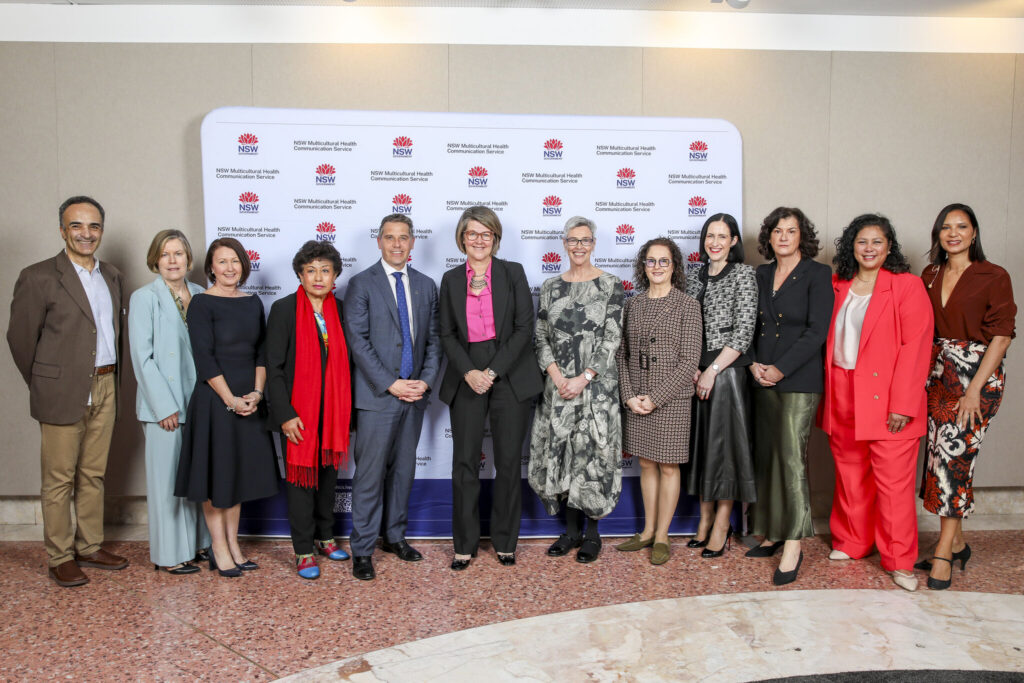
Championing movement for mental wellbeing during Multicultural Health Week 2026
November 26, 2025Mindgardens proudly collaborated with NSW Health to highlight the essential link between a healthy body and a healthy mind as a central focus of our ongoing partnership .


Celebrating innovation and leadership at the 2026 SESLHD CORE Awards
November 26, 2025Mindgardens was proud to join colleagues from across the South Eastern Sydney Local Health District (SESLHD) to celebrate the remarkable teams and individuals who go above and beyond to deliver exceptional, innovative health care.

Coroner’s recommendations could transform care for people living with severe mental illness
November 26, 2025Professor Jackie Curtis, the Executive Director of Mindgardens Neuroscience Network, has welcomed the recommendations of the NSW State Coroner for mental health system reforms to provide more intensive and consistent care for people living with severe mental illness.
Mindgardens Neuroscience Network acknowledges the Traditional Owners of Country throughout Australia and recognises their continuing connection to land, waters and community. We pay our respect to them and their cultures, and to Elders past, present and emerging.
We acknowledge the voices of people with lived experience, their carers, families and kinship groups. We recognise the expertise acquired through living with a mental health, drug and alcohol or neurological disorder and acknowledge those who care for people on their recovery journey. We place lived experience at the heart of all that we do.

Powered by the strengths of our Member organisations